Twelfth Night

Definition and stakes

T. F. Thiselton-Dyer,  Folk-lore of Shakespeare

“ There can be no doubt that the title of Shakespeare’s play, “Twelfth Night,” took its origin in the festivities associated with this festival. The season has, from time immemorial, been one of merriment, “the more decided from being the proper close of the festivities of Christmas, when games of chance were traditionally rife, and the sport of sudden and casual elevation gave the tone of the time. ”
Source: Gutenberg

Bernard Beckerman,  Shakespeare at the Globe, 1599-1609

“ Twelfth Night remains, however, its model.
Last of the three dominant forms and the most popular one is the “mirror” pattern. Usually it consists of two stories, almost equal in emphasis. Both are introduced independently and maintain a large degree of independence throughout the play, sometimes never fully coming into plot relation with each other. Their fundamental connection derives from a similarity of theme and story development. Through sharp comparison or contrast one story casts reflections upon the other as though one were the image in the mirror and one the reality.
”
Source: Gutenberg

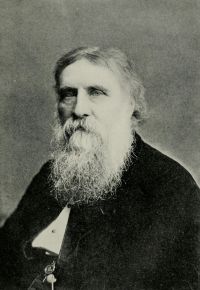
Portrait of James George Frazer James George Frazer,  The Golden Bough: A Study in Magic and Religion…

“ A. John, Sitte, Brauch und Volksglaube im deutschen Westböhmen (Prague, 1905) , p. 11. The phrase “the Twelve Nights” in the sense of “the Twelve Days and Nights” is doubtless derived from the ancient Aryan custom of counting by nights instead of by days and of regarding the period of the earth's revolution on its axis as beginning with the night rather than with the day. ”
Source: Gutenberg

Get perspective with Kwize: daily news enlightened by great literature