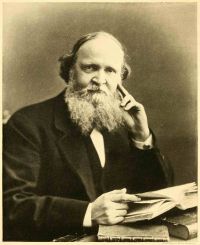
Wiktionary is a free, multilingual, web-based dictionary project that brings together contributors worldwide to define words, phrases, and linguistic constructs across 198 languages. It integrates definitions, origins, translations, and examples of usage, all edited by volunteers through a wiki platform. Scholars such as William Dwight Whitney stressed the importance of etymology in language, a focus that is reflected in Wiktionary’s thorough entries.
Henry William Carless Davis acknowledged its usefulness in clarifying terminology, similar to Wikipedia. Adam Smith emphasized its significance for technical writing, highlighting its role in academic settings. Although Wiktionary’s content is user-generated, it is meticulously organized, making it valuable for natural language processing and linguistic studies. With over 30 million entries, it showcases the extensive, collaborative nature of the project.