“ YOM KIPPURErev Yom Kippur, Minchah time!The Eve of the Day of Atonement, at Afternoon Prayer time.A solemn and sacred hour for every Jew.Everyone feels as though he were born again.All the week-day worries, the two-penny-half-penny interests, seem far, far away; or else they have hidden themselves in some corner. Every Jew feels a noble pride, an inward peace mingled with fear and awe. He knows that the yearly Judgment Day is approaching, when God Almighty will hold the scales in His hand and weigh every man's merits against his transgressions. ”
Yom Kippur
Definition and stakes
Yom Kippur, the holiest day in Judaism, is observed on the 10th day of Tishrei, emphasizing atonement, repentance, and fasting. Central to this day are extended prayers, confessions, and rituals like the Avodah service, reflecting its spiritual gravity.
Yosef Karo underscores its transformative power through confession, while Louis Golding captures its enduring solemnity in the days following the festival. Israel Zangwill portrays communal observance as both a personal and collective endeavor. These varied perspectives highlight Yom Kippur’s dual role as a day of introspection and renewal, bridging individual repentance with communal unity.
Quotes about “Yom Kippur”
Yosef Karo, Translation:Shulchan Aruch — Orach Chaim 607…
“ The one who is lashed neither stands nor sits but should crouch forward (Minhagim) with his face to the north and his back to the south (Mahari"l) . Yom Kippur atones only for those who repent and believe in the atonement it conveys. If a person holds it in disdain and thinks in his heart, "What will Yom Kippur do for [me] ?" Yom Kippur will not atone for him (Rambam chapter 3 of Hilkhot Shegagot) . ”
Yosef Karo, Translation:Shulchan Aruch — Orach Chaim 611…
“ If there is a fire on Yom Kippur, it is permitted to save one meal for the evening just as one saves the afternoon meal on Shabbat (Ra"n chapter "Kol Kitvei") . It was already explained in 334 how to behave nowadays with respect to a fire on Shabbat, and the same applies to Yom Kippur. It is the practice for children to play with nuts (Agudah and Mahari"l) and we should not stop them, even before Mincha. ”
Related terms
Authors who wrote about “Yom Kippur”
Yosef Karo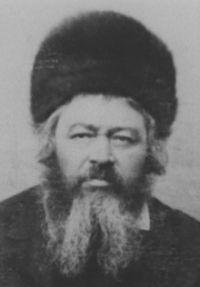 Yechiel Michel Epstein
 Israel ZangwillUnited States Department of State
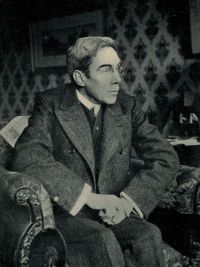 Henry HarlandLouis GoldingRabbi Shimon Bar Yochai
 Nathan of Breslov
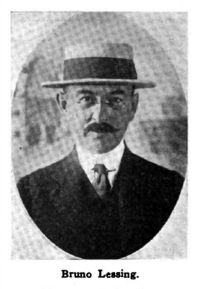 Bruno Lessing
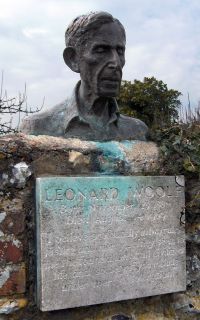 Leonard Woolf
 Hutchins HapgoodAaron BernsteinViolet Guttenberg
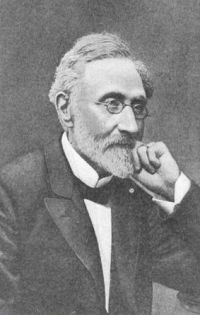 Heinrich Graetz
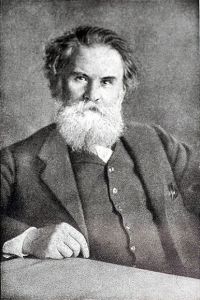 Vladimir Galaktionovich Korolenko
 Hannah Trager
 Jacob A. Riis
 Gotthard DeutschL. G. A. Cust
 Nachman of Breslov
Yechiel Michel EpsteinIsrael ZangwillUnited States Department of StateHenry HarlandLouis GoldingRabbi Shimon Bar YochaiNathan of BreslovBruno LessingLeonard WoolfHutchins HapgoodAaron BernsteinViolet GuttenbergHeinrich GraetzVladimir Galaktionovich KorolenkoHannah TragerJacob A. RiisGotthard DeutschL. G. A. CustNachman of Breslov