Anthropoid ape

Definition and stakes

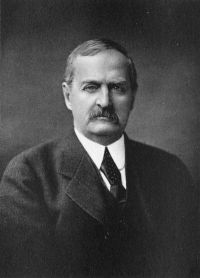
Charles Morris,  Man And His Ancestor: A Study In Evolution

“ In his bodily formation the man-ape differed little from man. The differences which existed were probably of a minor character, no greater than could readily exist within the limits of a species. If this assertion be questioned, it seems sufficient to call attention to the recent researches into the anatomy of the anthropoid apes, which differ in species, if not in genera, from man, yet are closely similar to him in all their main features of organization. Even in the brain, to whose great development man owes his superiority, the only marked difference is in size. ”
Source: Gutenberg

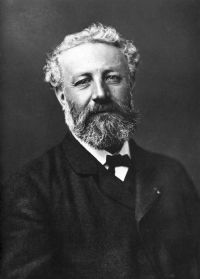
Portrait of Jules Verne Jules Verne,  Abandoned

“ The settlers then approached the ape and gazed at it attentively. He belonged to the family of anthropoid apes, of which the facial angle is not much inferior to that of the Australians and Hottentots. It was an orang-outang, and as such, had neither the ferocity of the gorilla, nor the stupidity of the baboon. It is to this family of the anthropoid apes that so many characteristics belong which prove them to be possessed of an almost human intelligence. ”
Source: Gutenberg

Various,  The New Gresham Encyclopedia. Estremoz to Felspar

“ Man shares with the anthropoid apes (gorillas, chimpanzees, orangs, and gibbons) so many peculiarities which differentiate all of them from the tailed monkeys that there can [404] be no doubt that the human family was derived from a primitive anthropoid ape, possibly a species that lived in the foothills of the Himalayas in Miocene times, as is suggested by fossils recently discovered by Dr. Pilgrim, director of the Geological Survey of India.
The vestigial remains of the muscles, blood-vessels, &c., of the tail reveal the fact that man's Primate ancestry began with a tailed form.
”
Source: Gutenberg

Get perspective with Kwize: daily news enlightened by great literature