Batik

Definition and stakes

Pieter Mijer,  Batiks and how to make them (1919)

“ Batik is not so crude a method of decorating material as many people have thought it to be. It is not a matter of smearing some wax on a piece of material with any old brush, dipping it haphazard into any kind of dye, leaving it to the gods to decide what colour it is going to be, and finally trying to sell it as a high-priced work of art. On the contrary, it is a craft which requires quite a good deal of skill and knowledge of design, as well as a good idea of colour. ”
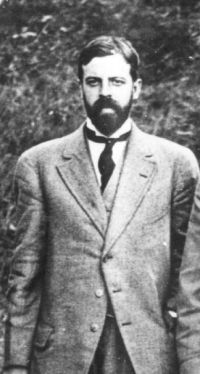
Source: Gutenberg

Gertrude Clayton Lewis,  First lessons in batik

“ CRACKLE IN BATIK
As the worker in Batik dyes his material, he finds that the wax on the cloth will crack as it is handled. The dye will then penetrate these cracks in fine lines. The Javanese worker considers these lines undesirable and handles his goods with the greatest care to avoid producing them. He cannot, however, avoid them entirely even with the greatest care. He desires clear even edges no matter how fine and complicated the pattern. By looking closely at the very finest specimens, these fine cracks will always be found meandering through the pattern.
”
Source: Gutenberg

Ida Strawn Baker,  Batik and Other Pattern Dyeing

“ Here the dye creeps in, producing the characteristic “crackle” of batik work. The Oriental craftsman never forces crackle. With him it is always an incident, the subtle accident of his handicraft.
JAVANESE WOMAN ENGAGED IN BATIK DECORATION
The nature of the process forces simple execution in waxing the shapes and outlines, and also limits the [Pg 16] number of times the piece may be dyed. Applying the wax becomes increasingly difficult after each dipping. Spotting of color over the entire piece makes thinking in color as important as the painting in of the wax.
”
Source: Gutenberg

Get perspective with Kwize: daily news enlightened by great literature