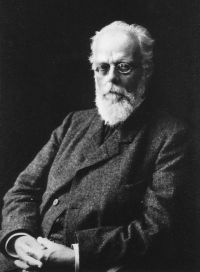
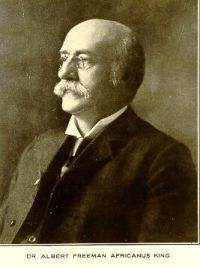
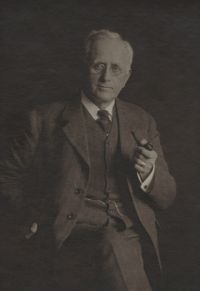
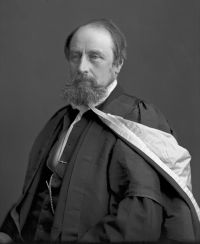
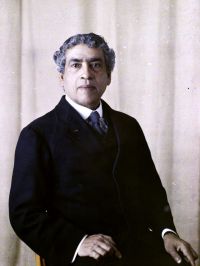
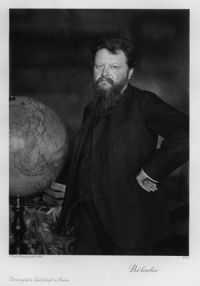
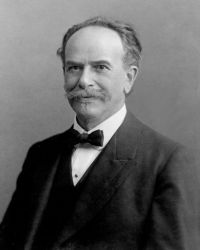
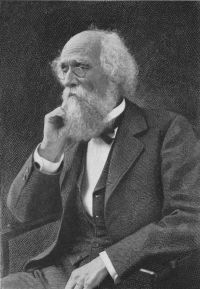
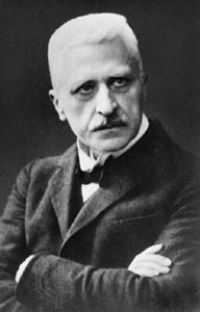
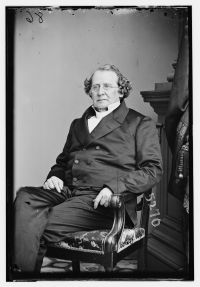
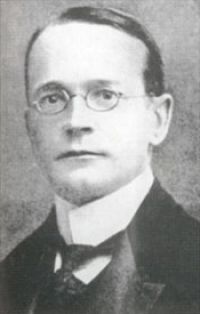
Biological development refers to the process by which organisms grow, differentiate, and change through successive stages. This theme has been explored by scholars such as Oscar Hertwig, who emphasized external factors like cellular interactions and environmental influences in shaping growth, contrasting with August Weismann’s preformation theory, which suggested that organisms are fully formed in germ cells.
Authors like John Stuart Mill connected developmental principles to broader evolutionary and societal progress, while Maurice Bigelow highlighted the role of reproductive studies in understanding life’s complexity. These perspectives collectively emphasize the interaction between internal genetic programming and external adaptive forces in shaping life’s diversity and continuity.
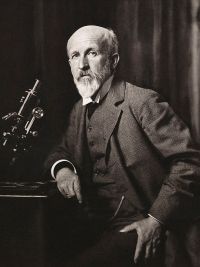 Oscar Hertwig,
The Biological Problem of To-day…
Oscar Hertwig,
The Biological Problem of To-day…