Black-headed gull

Definition and stakes

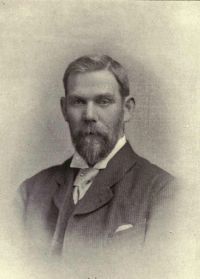
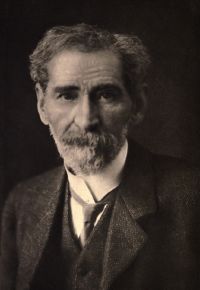
Portrait of J. Lewis Bonhote J. Lewis Bonhote,  Birds of Britain

“ The Black-headed Gull is an extremely abundant species throughout the United Kingdom at all times of the year. In summer it resorts to various inland marshes and bogs, where it nests in immense colonies, some of which have been in use for centuries. In autumn and winter it is found all along the coast and up tidal rivers, a great many coming to London, where they are extremely tame and show great agility in catching bread and other morsels of food thrown to them by pedestrians. The bird is practically omnivorous. ”
Source: Gutenberg

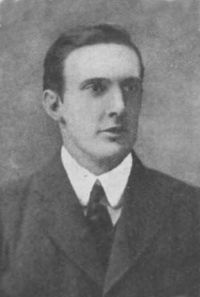
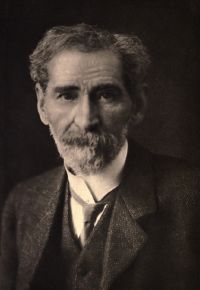
Portrait of William Henry Hudson William Henry Hudson,  British birds (1921)

“ The common gull has no breeding-place south of the Border. In Scotland and its islands there are several colonies, and in Ireland a few. In its habits it is intermediate between the marine and inland species, and its gulleries are placed both on islands near the sea-coast and in lochs at a distance from the shore. Like the herring-gull and black-headed gull, it follows the plough to pick up worms and grubs, and roams over moors, marshes, and pasture-lands in search of insects, small vertebrates, and carrion. The nest is bulky, and composed of seaweed, herbage, and dry grass. ”
Source: Gutenberg

John H. Dixon,  Gairloch in North-West Ross-Shire

“ The black-headed gull entirely loses the black colour on the head during winter. Sometimes the breast of the bird is of a lovely rosy pink colour, which fades after death.
Common, or Winter Gull (Larus canus) .—The common gull is not nearly so common in Gairloch as the black-headed gull. It has several nesting-places on small islands in fresh-water lochs, and it sometimes lays its eggs on the neighbouring mainland.
Herring Gull (Larus argentatus) .—A few pairs of herring gulls nest along with the lesser black-backed gulls on the islands of Loch Maree.
”
Source: Gutenberg

Get perspective with Kwize: daily news enlightened by great literature