Brain disease

Definition and stakes

A system of practical medicine… (1886)

“ The same form of disease, too, is frequently not transmitted from parent to child or grandchild, but the neuroses, the psychoneuroses, and the cerebro-psychoses, the degenerative forms and the developed forms, are interchangeable. In the ancestry of insanity we find not only actual cerebro-mental disease, but epilepsy, brain disease due to syphilis, habitual drunkenness, any of the severe neuroses, apoplexy, pulmonary consumption, a closely-allied disease, and suicide. ”
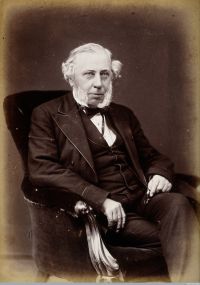
Source: Gutenberg

Portrait of Charles West Charles West,  The Mother's Manual of Children's Diseases

“ I have but little to say here about the general signs of brain disease in infancy and childhood, because they will need minute notice afterwards. All that I would at present observe is, that you must not at once conclude that a child's head is seriously affected, because it is heavy and fretful and passionate, and refuses to be amused. The head, as we know by our own experience, suffers by sympathy in the course of almost every [Pg 11] ailment, certainly of every acute ailment, at all ages. If the babe is not sick; if its bowels can be acted on by ordinary means ”
Source: Gutenberg

Calvin Cutter,  A Treatise on Anatomy, Physiology…

“ For healthy and efficient action, the brain should be primarily sound; as this organ is subject to the same general laws as other parts of the body. If the brain of the child is free from defects at birth, and acquires no improper impressions in infancy, it will not easily become diseased in after life. But, if the brain has inherited defects, or has acquired a proneness to disease by mismanagement in early life, it will more easily yield to influences that cause diseased action. The hereditary tendency to disease is one of the most powerful causes that produce nervous and mental affections. ”
Source: Gutenberg

Get perspective with Kwize: daily news enlightened by great literature