A brakeman was a historical railroad worker responsible for managing train brakes, a role that transformed as technology progressed. Once crucial for manually operating brakes on individual cars, brakemen were gradually replaced by the introduction of air brakes, though their title remains in use in modern rail operations, especially in the U.S., where they support conductors with switching, safety, and passenger-related tasks.
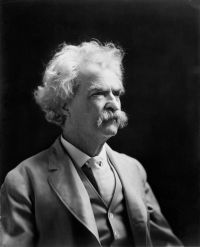
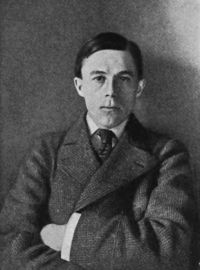
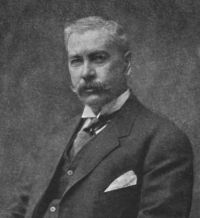
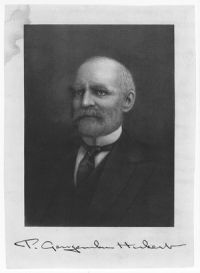
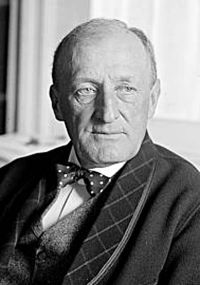
Authors like Mark Twain emphasized their humanity, criticizing the dehumanizing conditions brakemen faced, while others, such as Kirk Munroe, pointed out the contrast between their demanding past and the lighter duties of contemporary roles. Meanwhile, accounts from Charles King and Hamlin Garland illustrated the diverse challenges they encountered, ranging from equipment malfunctions to complex social interactions. The brakeman’s influence, though reduced by automation, continues as a representation of the shift from manual labor to technologically enhanced rail operations.
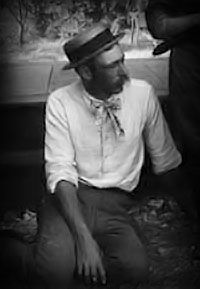 Kirk Munroe,
Cab and Caboose: The Story of a Railroad Boy
Kirk Munroe,
Cab and Caboose: The Story of a Railroad Boy