Brood (entomology)

Definition and stakes

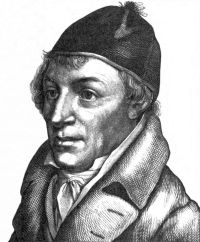
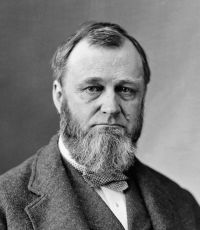
Portrait of John James Audubon John James Audubon,  Ornithological Biography (1831)

“ Although extremely loquacious during the early part of spring, it becomes almost silent the moment it has a brood; after which its notes are heard only while the female is sitting on her eggs; for they raise two, sometimes three, broods in a season.
Full of activity and spirit, it flies swiftly after its insect prey, securing the greater part of it on wing. Its flight is low, gliding, and now and then protracted to a considerable distance, as it seldom abandons the pursuit of an insect until it has obtained it.
”
Source: Wikisource

Portrait of John James Audubon John James Audubon,  Ornithological biography, Vol. 1…

“ Five eggs are deposited in due time, when the male having little more to do than to sing his mate to repose, attunes his pipe anew. Every now and then he spies an insect on the ground, the taste of which he is sure will please his beloved one. He drops upon it, takes it in his bill, beats it against the earth, and flies to the nest to feed and receive the warm thanks of his devoted female.
When a fortnight has elapsed, the young brood demand all their care and attention. No cat, no vile snake, no dreaded hawk, is likely to visit their habitation.
”
Source: Gutenberg

Isaac Hopkins,  Bee-Culture (2nd ed.) (1907)

“ Healthy brood in the larva stage—that is, before it is sealed or capped—presents a clear pearly whiteness, but when attacked by foul-brood it rapidly changes to light buff, then to brown, coffee-and-milk colour, and finally to black, at which stage nothing is to be seen in the cell but a flattish scale-like substance when examined closely. ”
Source: Wikisource

Get perspective with Kwize: daily news enlightened by great literature