Brown sugar

Definition and stakes

Portrait of Isabella Beeton Isabella Beeton,  Mrs. Beeton's Book of Household Management (1907)

“ There is no mistake more common than to suppose that any half-ripe or over-ripe fruit is good enough for jam.
Sugar for Preserving.—Of the various kinds of sugar in common use, the white refined lump is generally sold for preserving, and, indeed, is the only kind admissible for the more delicate kinds of preserves. Coarse brown sugar conceals the flavour of any fruit, and the whiter moist sugar has little sweetening power.
”
Source: Wikisource

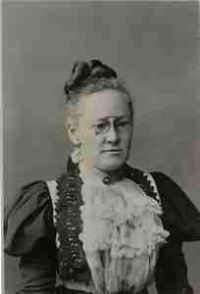
Portrait of Fannie Merritt Farmer Fannie Merritt Farmer,  The Boston cooking-school cook book

“ Cane sugar is obtained from sugar cane, beets, and the palm and sugar-maple trees. Sugar cane is a grass supposed to be native to Southern Asia, but now grown throughout the tropics, a large amount coming from Cuba and Louisiana; it is the commonest of all, and in all cases the manufacture is essentially the same. The products of manufacture are: molasses, syrup, brown sugar, loaf, cut, granulated, powdered, and confectioners’ sugar. Brown sugar is cheapest, but is not so pure or sweet as white 7grades ”
Source: Gutenberg

A. G. Payne,  Cassell's Vegetarian Cookery

“ Jam is made by boiling the fruit with sugar, and it is false economy to get common sugar; cheap sugar throws up a quantity of scum. Years back many persons used brown sugar, but in the present day the difference in the price of brown and white sugar is so trifling that the latter should always be used for the purpose. ”
Source: Wikisource

Get perspective with Kwize: daily news enlightened by great literature