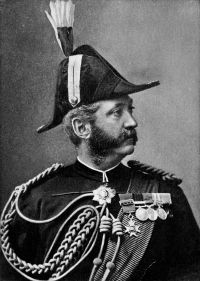
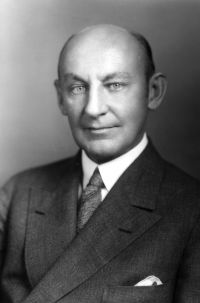
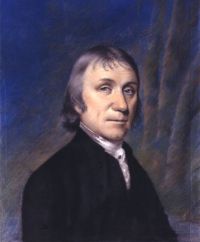
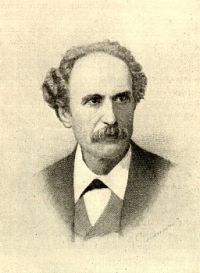
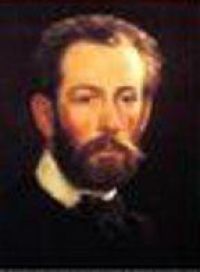
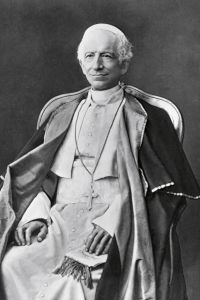
Civil authority refers to the state's enforcement of law and order for the benefit of citizens, distinguishing itself from military or religious rule, usually carried out by police in contemporary societies. Thinkers such as Lajos Kossuth highlighted its role in establishing political boundaries, while Richard Price viewed it as power granted by the people, inherently restricted by its intended function.
Joseph Rickaby stressed its importance as a force for social stability, and Adam Ferguson observed how governance strengthens authority through legal frameworks. Together, these viewpoints emphasize civil authority as a fundamental yet debated element of societal unity, ensuring a balance between power and the rights and responsibilities of individuals.
 Lajos Kossuth,
Select Speeches of Kossuth
Lajos Kossuth,
Select Speeches of Kossuth