Clay pipe

Definition and stakes

Harold E. Babbitt,  Sewerage and Sewage Treatment

“ The pipes used should be larger than would be demanded by considerations of economy alone, both for the purpose of reduction of head loss and ease in cleaning. No pipe less than 6 inches in diameter should be used, and the average velocity of flow should not exceed one foot per second. Cast-iron, concrete, or vitrified clay pipe may be used, but cast iron is the material commonly used. The system should be arranged for easy flushing and cleaning and the pipes so sloped that the entire system can be drained in case of a shut down in cold weather. ”
Source: Gutenberg

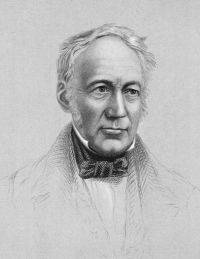
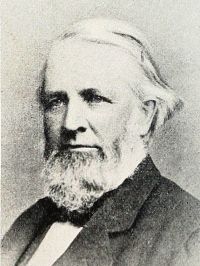
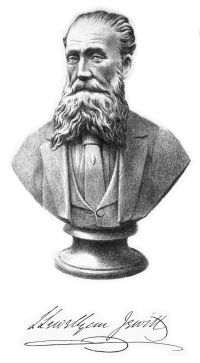
Portrait of Llewellynn Frederick William Jewitt Llewellynn Frederick William Jewitt,  The ceramic art of Great Britain from pre-historic times down to the present day… (1878)

“ The ‘patent’ Broseley pipe is manufactured specially for the Narghilé, and is the only clay pipe for which it is adapted. It is evident that a clay, either more or less porous than are these tobacco-pipes, would be equally unsuitable; and what is very remarkable, and shows the perfection to which the manufacture has been carried, these pipes are uniform in porousness, in part due to their being manufactured of the very finest and purest clay. ”
Source: Gutenberg

Various,  The Missouri Archaeologist, Volume 34…

“ Their children seem unwilling to do the necessary primitive and tedious work. Manual clay pipe-making, probably America’s oldest industry, will soon be only a tradition.
Today the Powhatan Pipe is more than a source of peaceful, contented smoking enjoyment. It is a collector’s prize, an authentic American treasure. In a few years it will be generally unobtainable.
This company is the world’s sole producer of genuine Indian pipes. Since 1739 it has preserved this historic industry. Its clay deposit in Appomattox County, Virginia, holds the only clay discovered as ideal for Indian pipes.
”
Source: Gutenberg

Get perspective with Kwize: daily news enlightened by great literature