Coach (vehicle)

Definition and stakes

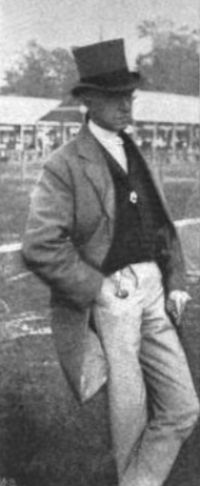
Henry Charles Moore,  Omnibuses and cabs (1902)

“ It is true that the vehicle has its merits, if variety of uses can establish them. The hackney-coach conveys alike the living and the dead. It carries the dying man to the hospital, and when doctors and tax-gatherers can tantalize no more, it carries him to Surgeons' Hall and qualifies him to assist the 'march of mind' by the section of body. If the midnight thief finds his plunder too ponderous for his hands, the hackney-coach offers its services, and is one of the most expert conveyances. ”
Source: Wikisource

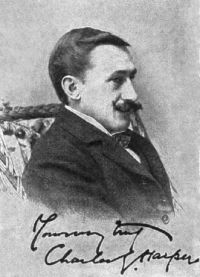
Portrait of Ralph Straus Ralph Straus,  Carriages & Coaches: Their History & Their Evolution

“ This coach is described as “on four wheels with seven spokes, which are apparently bound round with a thick wooden rim secured by pegs. It is precisely such a vehicle,” adds the anonymous historian in the Carriage Builder’s and Harness Maker’s Art Journal, “as is now [1860] used by the brewers, with a tilt over it, which opens in the centre on one side, and would contain half a dozen persons.” On the other hand, one may safely assert that no brewer’s cart was ever decorated in the same way, for the framing of Elizabeth’s carriage was of wood carved in a shell pattern and gilded. ”
Source: Gutenberg

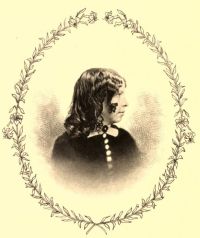
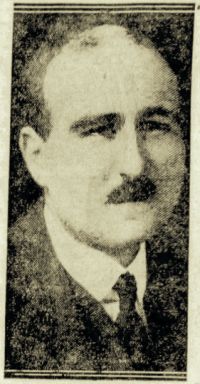
Portrait of Edwin A. Pratt Edwin A. Pratt,  A History of Inland Transport and Communication in England… (1912)

“ Mail coaches had the further good effect of stimulating great improvements in coach construction. The use of springs, in particular, allowed of a more compact vehicle, carrying luggage and outside passengers on the roof instead of relegating them to a basket "conveniency" behind. The competition, or, at least, the example of the mail-coaches had the further result of increasing the speed of the "flying" coaches, which now generally aimed at doing their eight or nine miles an hour; but here, again, much depended on the state of the roads. ”
Source: Wikisource

Get perspective with Kwize: daily news enlightened by great literature