Commerce raider

Definition and stakes

Captain F. Brinkley,  Japan: Its History, Arts, and Literature (1902 and 1910)

“ Nothing is on record as to the habits of the mercantile class, or the mode of transacting business between remote places. Since, however, the efforts of the authorities to preserve order in the capital were not extended with equal energy to country districts, robbery on the highways and piracy on the rivers were events of frequent occurrence, and inter-provincial commerce seems to have been attended by risks almost deterrent. Thus, on the whole, it cannot be said that any special progress was made in the domain of trade as compared with the preceding epoch. ”
Source: Wikisource

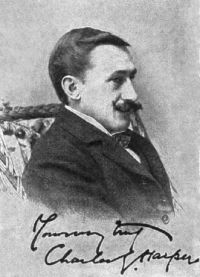
Portrait of Charles G. Harper Charles G. Harper,  The Smugglers: Picturesque Chapters in the Story of an Ancient Craft

“ The happy idea of licensing private adventurers to build and equip vessels to make private war upon smuggling craft, and to capture them and their cargoes, was an extension of the original plan of issuing letters of marque to owners of vessels for the purpose of inflicting loss upon an enemy’s commerce; but persons intending to engage upon this private warfare against smuggling had, in the first instance, to give security to the Commissioners of a diligence in the cause thus undertaken, and to enter into business details respecting the cargoes captured. ”
Source: Gutenberg

Portrait of John Taylor of Caroline John Taylor of Caroline,  Tyranny Unmasked — Section I (1821)

“ The latter affords more comforts, excites more industry, and employs more shipping. The substance is also as re-exportable as the shadow. A trade in the substance may be permanent; in the shadow it cannot long exist, on account of the equalizing power of commerce, and the depreciating nature of money. Being only an instrument of exchanges, its office cannot be impaired or destroyed, without impairing or destroying commerce itself. ”
Source: Wikisource

Get perspective with Kwize: daily news enlightened by great literature