Consul (office)

Definition and stakes

Livy,  From the Founding of the City… (1905)

“ If noble birth, if personal merit, if high office, if distinguished service could make any man proud, I venture to say that such is my descent, such the proof I have given of myself, such the age at which I obtained the consulship, being only twenty-three, that I had it in my power to show myself harsh and overbearing not only to the plebs but even to the patricians. What have you heard that I have said or done as consul more than I should had I been one of your tribunes? ”

Source: Wikisource

Portrait of George Willis Botsford George Willis Botsford,  The Roman assemblies from their origin to the end of the Republic (1909)

“ These facts might lead one to suppose that the supreme power is with the people and that the government is a democracy. [2114] In the [345] domestic administration the consuls are dependent on them for authorizing various kinds of business and are under obligations to execute their decrees. [2115] In war, however distant from home, the consul must still court their favor, to secure their ratification of his arrangements for peace; and on laying down his office he is liable to prosecution before them for maladministration. ”
Source: Gutenberg

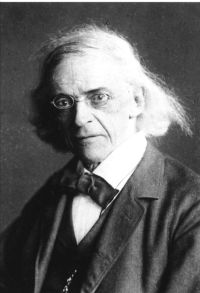
Portrait of Theodor Mommsen Theodor Mommsen,  The History of Rome (1875)

“ But the nomination of dictator took place exactly in the mode here described, and the nomination of consul varied from it only in the circumstance of a binding right of posal being conceded to the community, a concession which beyond dispute bears the stamp of a later origin. The nomination itself in the case of the consulate was without exception made by the predecessor in office, or the interrex; and as the consulate and the dictatorship were in substance simply continuations of the regal office, the hypothesis which we have embodied above must be regarded as quite certain. ”
Source: Wikisource

Get perspective with Kwize: daily news enlightened by great literature