Critical theory

Definition and stakes

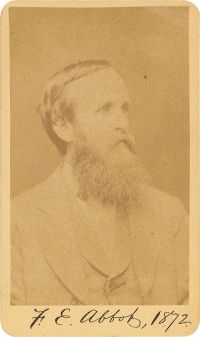
Portrait of Francis Ellingwood Abbot Francis Ellingwood Abbot,  Professor Royce's Libel

“ The scientific theory of Knowledge results from analysis of the Concept, and constitutes psychology or Critical Realism, as opposed to all forms of transcendental or Critical Idealism. The scientific theory of Conduct results from analysis of the Word, and constitutes anthroponomy (including ethics, politics, and art in its widest sense) , sociology, or Ethical Realism, as opposed to all forms of Ethical Idealism. ”
Source: Gutenberg

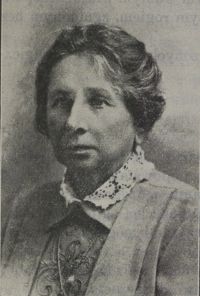
Portrait of Josepha Kodis Josepha Kodis,  Richard Avenarius (1896)

“ It is a rather popular exposition of the chief ideas of the Critique, namely, of the critical realism, which consists in the critical and conscious acceptation of the facts first given to a naïve mind, namely, that the world consists of ‘things’ and ‘ideas,’ in opposition to those idealistic theories, which consider the world as ‘representation’ or ‘will,’ or ‘will and representation,’ etc. ”
Source: Wikisource

Get perspective with Kwize: daily news enlightened by great literature