Crowd psychology

Definition and stakes

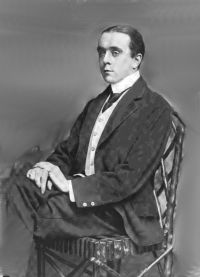
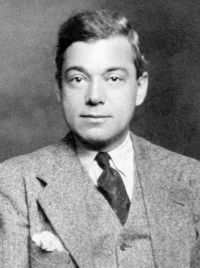
Portrait of George Jean Nathan George Jean Nathan,  The Critic and the Drama

“ I have once before pointed out that, even accepting the theory of crowd psychology and its direct and indirect implications so far as drama is concerned, it is as nonsensical to assume that one thousand persons assembled together before a drama in a theatre are, by reason of their constituting a crowd, any more likely to be moved automatically than the same crowd of one thousand persons assembled together before a painting in an art gallery. ”
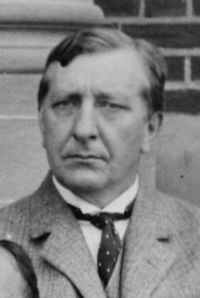
Source: Gutenberg

Portrait of William McDougall William McDougall,  The Group Mind: A Sketch of the Principles of Collective Psychology

“ If we pass by these serious difficulties, others arise as soon as we inquire what kinds of human groups have such ‘collective consciousness.’ Does the simple fortuitously gathered crowd possess it? Or is it confined to highly organised groups such as the leading modern nations? If every psychological crowd possesses it and owes its peculiarities of behaviour to it, does it come into being at the moment the individuals have their attention attracted to a common object and begin to be stirred by a common emotion? ”
Source: Gutenberg

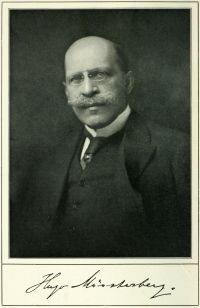
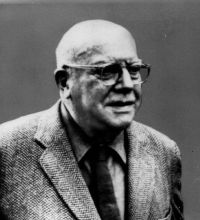
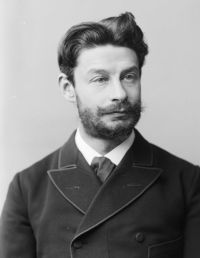
Portrait of Hugo Münsterberg Hugo Münsterberg,  Psychology and Social Sanity

“ We know how men in a crowd do indeed lose some of the best features of their individuality. A crowd may be thrown into a panic, may rush into any foolish, violent action, may lynch and plunder, or a crowd may be stirred to a pitch of enthusiasm, may be roused to heroic deeds or to wonderful generosity, but whether the outcome be wretched or splendid, in any case it is the product of persons who have been entirely changed. ”
Source: Gutenberg

Get perspective with Kwize: daily news enlightened by great literature