Direct tax

Definition and stakes

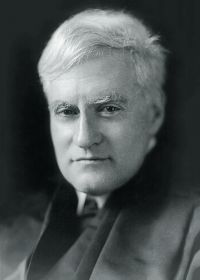
Portrait of John Stuart Mill John Stuart Mill,  Principles of Political Economy

“ A direct tax is one which is demanded from the very persons who, it is intended or desired, should pay it. Indirect taxes are those which are demanded from one person in the expectation and intention that he shall indemnify himself at the expense of another: such as the excise or customs. The producer or importer of a commodity is called upon to pay tax on it, not with the intention to levy a peculiar contribution upon him, but to tax through him the consumers of the commodity, from whom it is supposed that he will recover the amount by means of an advance in price. ”
Source: Gutenberg

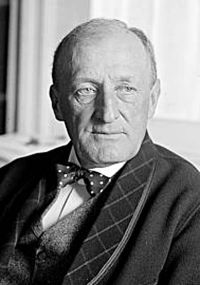
Portrait of John Stuart Mill John Stuart Mill,  Principles of Political Economy

“ It is to be feared, therefore, that the fairness which belongs to the principle of an income-tax can not be made to attach to it in practice. This consideration would lead us to concur in the opinion which, until of late, has usually prevailed—that direct taxes on income should be reserved as an extraordinary resource for great national emergencies, in which the necessity of a large additional revenue overrules all objections. ”
Source: Gutenberg

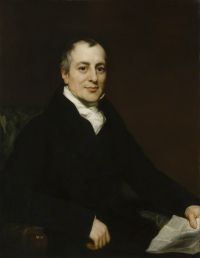
Portrait of Adam Smith Adam Smith,  The Wealth of Nations (1776)

“ A direct tax upon the wages of labour, therefore, though the labourer might, perhaps, pay it out of his hand, could not properly be said to be even advanced by him; at least if the demand for labour and the average price of provisions remained the same after the tax as before it. In all such cases, not only the tax, but something more than the tax, would in reality be advanced by the person who immediately employed him. ”
Source: Gutenberg

Get perspective with Kwize: daily news enlightened by great literature