Dragon slayer

Definition and stakes

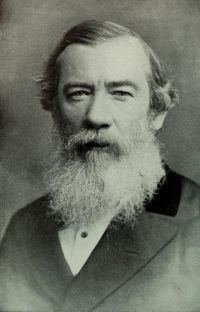
Portrait of Moncure Daniel Conway Moncure Daniel Conway,  Demonology and Devil-lore

“ There are various conventionalised types of the Dragon, but through them all one feature is constant,—the idealised serpent. Its presence is the demonic or supernatural sign. The heroic dragon-slayer must not be supposed to have wrestled with mere flesh and blood, in whatever powerful form. The combat which immortalises him is waged with all the pains and terrors of earth and heaven concentrated and combined in one fearful form. ”
Source: Gutenberg

Worth While Stories for Every Day

“ THE DRAGON SLAYER In which we see that it is harder to conquer one’s own ambitions than it is to slay a dragon.
The Knights of St. John were both priests and knights. Their badge was a white cross which they wore upon their mantles, over their shining arms. The head knight was called the Grand Master.
In a marsh lived a terrible dragon. Its head was larger than a horse’s head. It had a huge mouth, very sharp teeth and enormous eyes. It ate the sheep and cattle when they came for water. Sometimes shepherd boys were missing and even men were devoured by the dragon.
”
Source: Gutenberg

F. Edward Hulme,  Myth-Land

“ Though the dragon-conflict occurs in many literatures, the same incidents occur over and over again, and we find in almost all the power and subtlety of the monster, the innocence and helplessness of his victims, the suddenness of his attack on them, and the completeness of his final overthrow, the dragon-slayers being the [Pg 20] conquerors over tyranny and wrong, over paganism and every form of godless evil. ”
Source: Gutenberg

Get perspective with Kwize: daily news enlightened by great literature