Ecclesiasticalism

Definition and stakes

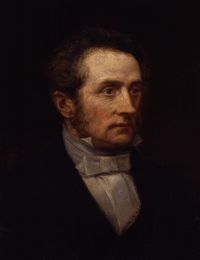
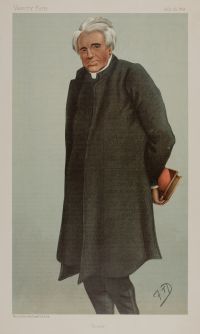
Portrait of Arthur Penrhyn Stanley Arthur Penrhyn Stanley,  Three Introductory Lectures on the Study of Ecclesiastical History (1857)

“ Sometimes, as in the period of the Roman Empire, when this comparison was first made, the influence of one on the other is more by contagion, by atmosphere, even by contrast, than by direct intercourse. Sometimes the main interest of religious history hangs on an institution, like Episcopacy; on a war, like the Crusades; on a person, like Luther. In some periods, as in the middle ages, the combination of the secular and religious elements will be effected by the political or the intellectual influence of the clergy. ”
Source: Wikisource

Robert Chambers,  Domestic Annals of Scotland from the Reformation to the Revolution (1859)

“ The church was now in the highest power—every vestige of episcopacy banished, popery treated as a crime, the doctrine of the headship of Christ in full paramountcy, and enabling the clergy to exercise an unlimited authority over the external religious practice and professions of the community. It was ruled that each head of a family should conduct worship and reading of the Scriptures daily in his house, catechise, reprove, and exhort amongst his children, servants, and dependents. ”
Source: Gutenberg

Get perspective with Kwize: daily news enlightened by great literature