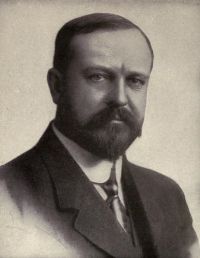
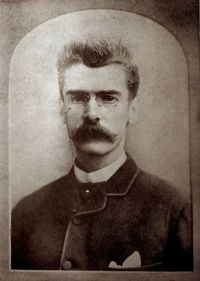
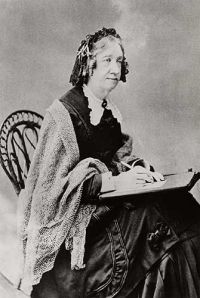
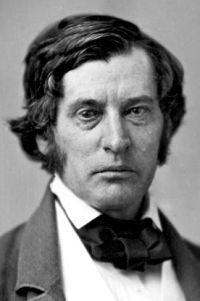
The eight-hour day is a labor reform concept promoting a daily work limit to safeguard workers' health and efficiency. Authors such as Mrs. John A. Logan underscored its importance in protecting children’s welfare, while Ellen Key stressed its significance for women’s physical and mental health.
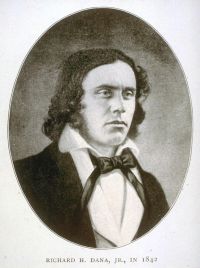
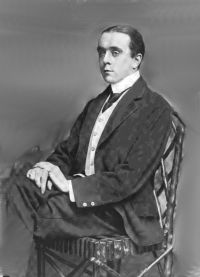
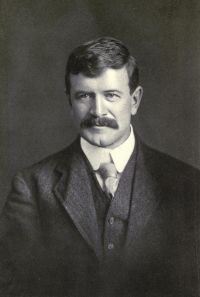
John Bates Clark associated it with sustained labor productivity, and Richard Baxter situated it within religious economic doctrines. Jerome K. Jerome, on the other hand, humorously critiqued societal attitudes toward leisure. These diverse viewpoints highlight the eight-hour day as both a practical benchmark and an expression of shifting social values regarding work and rest.
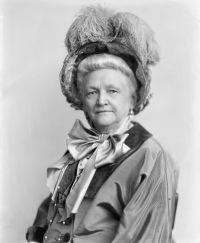 Mrs. John A. Logan,
The Part Taken by Women in American History
(1912)