Experimental psychology

Definition and stakes

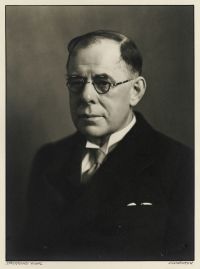
Portrait of A. E. Taylor A. E. Taylor Elements of metaphysics (1903)

Such a definite substitution of physiological for psychological hypotheses is pretty evidently the goal which the modern “experimental Psychology” has set before itself, and which it is constantly trying to persuade itself it has reached, in respect of some parts at least of its subject.
Source: Gutenberg

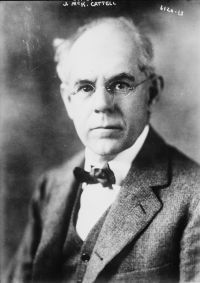
Portrait of James McKeen Cattell James McKeen Cattell Popular Science Monthly (1904)

I consequently object to making experimental psychology a branch of psychology. It is a method in psychology, which is extended just as rapidly as psychology becomes a science. The purely introspective or analytic observer does, according to the current definition' continually make experiments, because his introspection itself alters the process that he is observing, thus sometimes making his observations invalid as a description of natural conditions.
Source: Wikisource

Carl Gustav Jung Collected Papers on Analytical Psychology… (1916)

But modern experimental psychology is very far from being able to afford him any connected insight into the most vital psychic processes, that is not its aim. As far as possible it tries to isolate those simple elementary phenomena which border on the physiological, and then study them in an isolated state. It quite ignores the infinite variation and movement of the mental life of the individual, and accordingly, its knowledge and its facts are so many isolated details, uninspired by any comprehensive idea capable of bringing them into co-ordination.
Source: Wikisource

Get perspective with Kwize: daily news enlightened by great literature