Feudal lord

Definition and stakes

John Lord,  Beacon Lights of History, Volume 3 part 1…

“ But now feudalism, very generally established, and papal absolutism, rapidly culminating, are to meet in angry collision. Shall the kings of the earth prevail, assisted by feudal armies and outward grandeur, and sustained by such powerful sentiments as loyalty and chivalry; or shall a priest, speaking in the name of God Almighty, and appealing to the future fears of men? ”
Source: Gutenberg

Orestes Augustus Brownson,  The American Republic: Its Constitution…

“ The fact is, that during the period when feudalism was in full vigor, the king was merely a shadow; the people found their only consolation in religion, and their chief protectors in the monks, who mingled with them, saw their sufferings, and sympathized with them, consoled them, carried their cause to the castle before the feudal lord and lady, and did, thank God, do something to keep alive religious sentiments and convictions in the bosom of the feudal society itself. ”
Source: Gutenberg

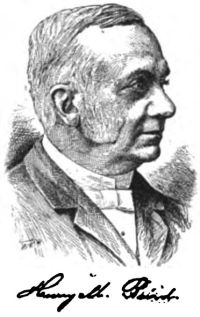
Portrait of Henry Osborn Taylor Henry Osborn Taylor,  The Mediaeval Mind (1911)

“ Chivalry was the fine flower of honour growing from this soil, embosomed in an abundant leafage of imagination.
The feudal system was founded on relations and sentiments arising from a state of turbulence where every man needed the protection of a lord: it could not fail to foster sentiments of fealty. The fief itself, the feudal unit of land held on condition of homage and service, symbolized the principle of mutual troth between lord and vassal. The land was part of mother earth; the troth, the elemental personal tie, existed from of yore.
”
Source: Wikisource

Get perspective with Kwize: daily news enlightened by great literature