Fraudulent conveyance

Definition and stakes

C. Perry Patterson The Negro in Tennessee, 1790-1865 (1922)

E. By Statute of Frauds and Fraudulent Conveyances. All gifts, grants, loans, alienations or conveyances made with fraudulent purposes were valid only between the parties making them and their heirs, assigns, and administrators, and in no way barred the action of creditors. [163] A conveyance of goods or chattels, without a valuable consideration, was considered fraudulent, unless it was made by a will duly proved and recorded or a deed acknowledged and proved. By act of 1805, such recording had to be done within nine months to be valid against creditors or future purchasers.
Source: Gutenberg

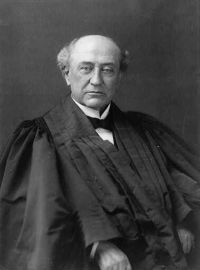
Portrait of Joseph Rucker Lamar Joseph Rucker Lamar Van Iderstine v. National Discount Company…

There is no necessary connection between the intent to defraud and that to prefer, but in asmuch as one of the common incidents of a fraudulent conveyance is the purpose on the part of the grantor to apply the proceeds in such manner as to prefer his family or business connections, the existence of such intent to prefer is an important matter to be considered in determining whether there was also one to defraud.
Source: Wikisource

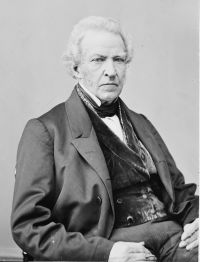
Portrait of James Moore Wayne James Moore Wayne Hanson v. Lessee of Eustace — Opinion of the Court

There was neither proof of valuable consideration, nor the semblance of it; and nothing is clearer than that a plea of purchase for value must be sustained by other evidence than the conveyance. Even the receipt of the debtor is not proof against his creditor claiming paramount to the debtor's grantee, inasmuch as his fraudulent conveyance is no conveyance at all against the interest intended to be defrauded. His receipt or other acknowledgment of payment, therefore, is the act of a grantor, done subsequently to a title derived from him, which, consequently, may not be prejudiced by it.
Source: Wikisource

Get perspective with Kwize: daily news enlightened by great literature