Freight cost

Definition and stakes

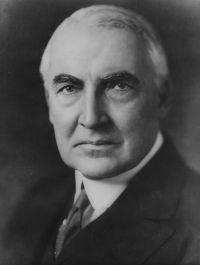
Portrait of Bill Clinton Bill Clinton,  Proclamation 7312

“ Today, 95 percent of our imports and exports are moved by water—more than one billion metric tons of cargo—and our waterways currently handle 140 million passengers a year. Our domestic fleet is one of our most productive and cost-effective modes of transportation, moving 24 percent of the Nation's cargo at less than 2 percent of America's total freight cost. ”
Source: Wikisource

Portrait of William Graham Sumner William Graham Sumner,  Earth-Hunger and Other Essays (1913)

“ The economic parallel between rents in Europe and freight rates in America is very close and real. Rates are prices; they result from a conflict of interests; and the conflict is intricate because many interests enter into it. Freight rates are the rate of return on capital invested and work done by the railroad company and they enter into the cost of production of the shipper. They also affect the relative profits of big shippers and little shippers and the relative prosperity of towns and ports. Freight rates are, therefore, in our country, a means of distributing returns on industry. ”
Source: Wikisource

Portrait of William Patrick Anderson William Patrick Anderson,  1911 Encyclopædia Britannica (1911)

“ The great quantity of coarse freights, that could only be profitably carried long distances by water, has revolutionized the type of vessel used for its transportation, making large steamers imperative, consolidating interests and cheapening methods. It is usual for the vessels in the grain trade and in the iron-ore trade to make their up trips empty; but in consequence of the admirable facilities provided at terminal points, they make very fast time, and carry freight very cheaply. The cost of freight per ton-mile fell from 23/100 cent in 1887 to 8/100 cent in 1898 ”
Source: Wikisource

Get perspective with Kwize: daily news enlightened by great literature