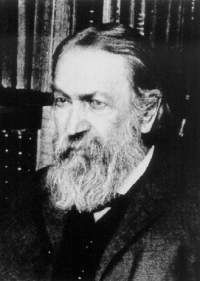
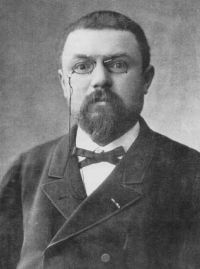
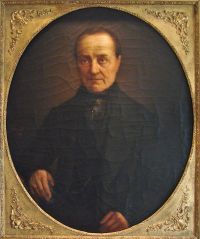
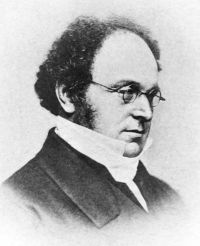
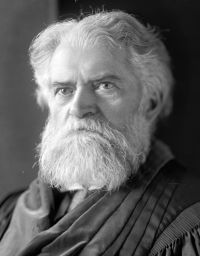
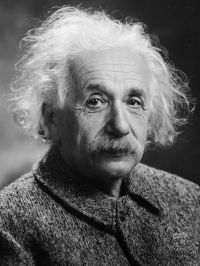
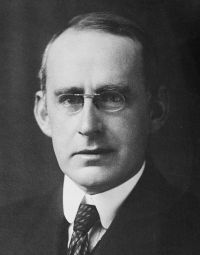
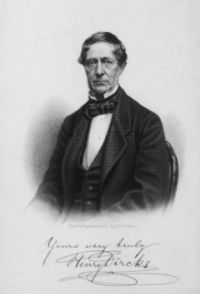
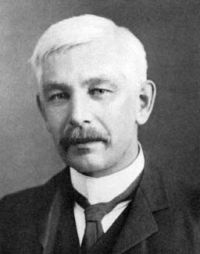
A geometer is a scholar who examines the properties of space and form through axiomatic systems and logical reasoning. From Bertrand Russell’s focus on axioms as foundational elements for exploring multidimensional implications to Arthur Eddington’s claim that relativity derives mechanics from geometry, the theme illustrates a range of perspectives. Ernst Mach emphasizes the systematic pursuit embedded in solving geometric problems, while Henri Poincaré views geometry’s fundamental principles as conventions rather than absolute realities.
These viewpoints, ranging from Auguste Comte’s analytical transformations to Robert Stawell Ball’s speculative spatial inquiries, collectively highlight geometry’s dual nature as both an abstract structure and a means for comprehending physical reality. The geometer’s work therefore connects logic with empirical science, influencing how space and its laws are conceived.
 Bertrand Russell,
Mysticism and Logic and Other Essays
(1910)
Bertrand Russell,
Mysticism and Logic and Other Essays
(1910)