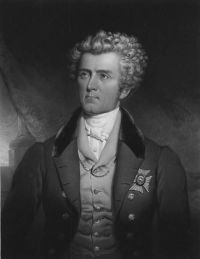
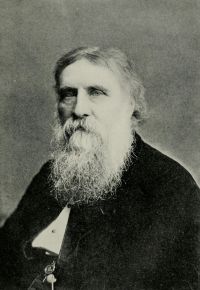
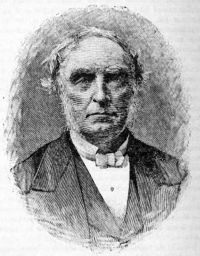
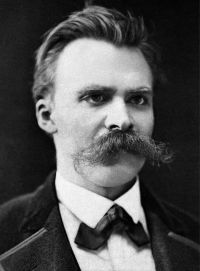
The great man theory suggests that history is largely shaped by extraordinary individuals—such as leaders, prophets, or visionaries—whose distinctive qualities drive significant events. Thomas Carlyle, a 19th-century advocate of this idea, claimed that figures like Napoleon or Shakespeare represent the "history of the world" through their brilliance.
Critics such as Herbert Spencer argued that these individuals are shaped by their social environment rather than being independent forces. William James supported the theory, stressing the unique influence of remarkable minds, while others, like Leo Tolstoy, questioned its accuracy by pointing to the power of collective movements. This debate highlights the conflict between personal initiative and the broader social context in determining the course of history.