Habit (psychology)

Definition and stakes

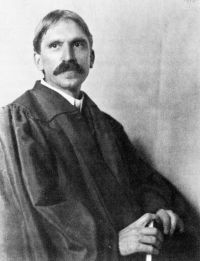
Portrait of John Dewey John Dewey,  Human Nature and Conduct: An introduction to social psychology

“ Concrete habits do all the perceiving, recognizing, imagining, recalling, judging, conceiving and reasoning that is done. "Consciousness," whether as a stream or as special sensations and images, expresses functions of habits, phenomena of their formation, operation, their interruption and reorganization.
Yet habit does not, of itself, know, for it does not of itself stop to think, observe or remember. Neither does impulse of itself engage in reflection or contemplation.
”
Source: Gutenberg

Portrait of John Dewey John Dewey,  Human Nature and Conduct: An introduction to social psychology

“ These traits of a bad habit are precisely the things which are most instructive about all habits and about ourselves. They teach us that all habits are affections, that all have projectile power, and that a predisposition formed by a number of specific acts is an immensely more intimate and fundamental part of ourselves than are vague, general, conscious choices. All habits are demands for certain kinds of activity; and they constitute the self. ”
Source: Gutenberg

Get perspective with Kwize: daily news enlightened by great literature