Hagiography

Definition and stakes

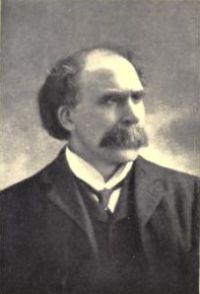
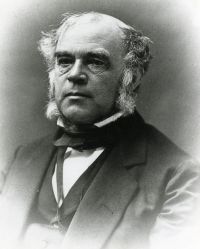
Alexander Clarence Flick,  The Rise of the Mediaeval Church

“ At last the Church historian and the civic historian have joined hands, and look each other in the face. They see that their aim is essentially common: to know the truth about the past. This search for truth for its own sake is purely modern—almost contemporaneous. Formerly, history was written to justify or disprove some theory of political or ecclesiastical polity, or to glorify some dynasty, sect, party, or hero, or to vindicate some hypothesis or set of ideas. The historian was not a searcher for truth, but a lawyer with a cause to plead. ”
Source: Gutenberg

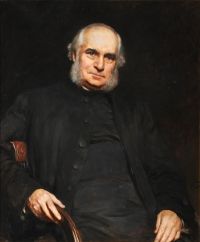
Portrait of William Stubbs William Stubbs,  Seventeen lectures on the study of medieval and modern history and kindred subjects (1886)

“ A kindly critic in the New York Nation, reviewing the first volume of the Constitutional History, has described the writer as entirely free from political bias, and adds that, 'what is more surprising, he appears to be scarcely influenced by ecclesiastical sentiment or prejudice.' Well, I thought, when I read that notice, here is at last a man who takes a right view of the clerical character. ”
Source: Wikisource

Get perspective with Kwize: daily news enlightened by great literature