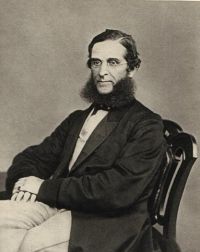
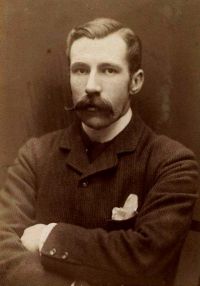
The hammer throw, a track-and-field event involving the casting of a metal ball attached to a wire and handle, has evolved from ancient Celtic traditions to modern Olympic competition. Authors like Ralph Connor emphasize its combination of power and expertise, while technical works such as the 1911 Encyclopædia Britannica detail its Keltic roots and the standardization of its rules.
W. H. Maxwell and Robert Barnwell Roosevelt use metaphor to examine the hammer’s function in machinery and firearms, highlighting its cultural significance. The sport’s development—from medieval practices to structured athletic competition—demonstrates both physical ability and historical evolution, as shown by its continued presence in global athletics.
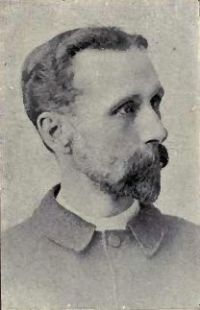 Ralph Connor,
Corporal Cameron of the North West Mounted Police…