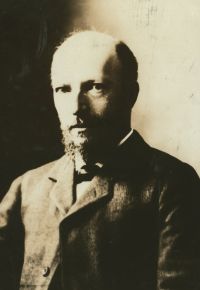
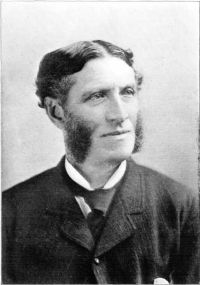
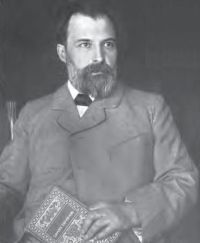
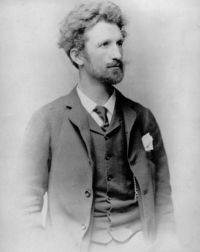
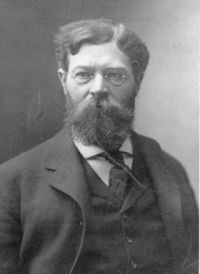
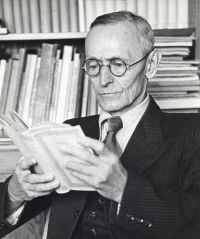
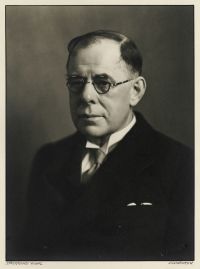
The concept of "Higher Self" primarily refers to an album by Japanese artist Kyōsuke Himuro, which attained chart success and explores themes of introspection and emotional depth. However, the idea of a "Higher Self" as a philosophical and spiritual ideal has been examined by many thinkers, who define it in various ways as an aspirational dimension of human consciousness. Authors such as Friedrich Nietzsche and Levi H.
Dowling portray it as a transcendent state beyond ordinary existence, emphasizing self-awareness and moral growth. Theron Q. Dumont and G. A. Johnston focus on its function in directing ethical conduct and harmonizing conflicting elements of the self. These viewpoints together highlight the Higher Self as a unifying force that goes beyond individual constraints, aligning with spiritual and psychological models that emphasize inner balance over external interruptions.
 Friedrich Nietzsche,
HUMAN, ALL TOO HUMAN, 'A Book For Free Spirits' Part I
(1909)