Imitative art

Definition and stakes

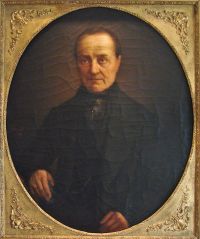
Portrait of Henry Rankin Poore Henry Rankin Poore,  Pictorial Composition and the Critical Judgment of Pictures

“ Is our artist a genre painter: then does his mind see small things to delight in them, or to delight us—if this, he is our servitor or little better,—does he go at the whole thing with the sincerity of an artistic purpose and somewhere place a veritable touch of genius, or only represent one item after another until the whole catalogue of items is complete, careful that he leave behind no just cause for reproach? Has the man dignified his subject and raised it to something above imitative art, or does he clearly state in his treatment of it that imitation is the end of art? ”
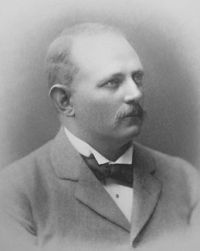
Source: Gutenberg

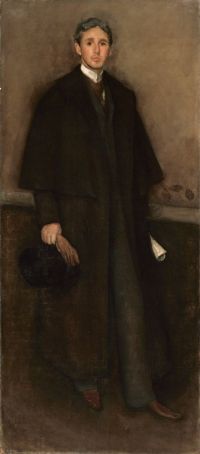
Portrait of P. H. Emerson P. H. Emerson,  Naturalistic Photography for Students of the Art

“ This delightful lesson leads me to ask, what is painting but an imitative art—an art that is to realize, not to feign. Then some dream that every man who will not submit to long toil in the imitation of nature, flies up, becomes a phantom, and produces dreams of nonsense and abortions. He thinks to save himself under a fine imagination, which is generally, and almost always in young men, the scapegoat of folly and idleness.”... “There has never been a lay painter, nor can there be. ”
Source: Gutenberg

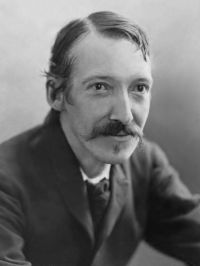
Portrait of Sidney Colvin Sidney Colvin,  1911 Encyclopædia Britannica, Volume 10… (1911)

“ The next and last of the imitative arts is the speaking art of poetry. The transition from sculpture and painting to poetry is, from the point of view not of our present but of our first division among the fine arts, abrupt and absolute. It is a transition from space into time, from the sphere of material forms Poetry as an imitative art. ”
Source: Wikisource

Get perspective with Kwize: daily news enlightened by great literature