
Infant teething

Definition and stakes

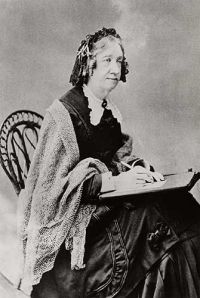
Portrait of Charles West Charles West,  The Mother's Manual of Children's Diseases

“ In the human subject the process of teething begins late, between the seventh and the ninth month, and goes on slowly: the first grinding teeth are seldom cut before the beginning of the second year, and teething is not finished until after its end. Until teething has begun the child ought to live exclusively on the food which nature provides; for until that time the internal organs have not become fitted to digest other sustenance, and the infant deprived of this too often languishes and dies. ”
Source: Gutenberg

B. G. Jefferis,  Searchlights on Health: Light on Dark Corners

“ Infant Teething.—The first teeth generally make their appearance after the third month, and during the period of teething the child is fretful and restless, causing sometimes constitutional disturbances, such as diarrhœa, indigestion, etc. Usually, however, no serious results follow, and no unnecessary anxiety need be felt, unless the weather is extremely warm, then there is some danger of summer complaint setting in and seriously complicating matters. ”
Source: Gutenberg

Mrs. Beeton,  The Book of Household Management

“ Though teething is a natural function, and to an infant in perfect health should be unproductive of pain, yet in general it is not only a fertile cause of suffering, but often a source of alarm and danger; the former, from irritation in the stomach and bowels, deranging the whole economy of the system, and the latter, from coma and fits, that may excite alarm in severe cases; and the danger, that eventuates in some instances, from organic disease of the head or spinal marrow. ”
Source: Gutenberg

Get perspective with Kwize: daily news enlightened by great literature