Irrationality refers to actions or beliefs shaped by flawed reasoning, emotional turmoil, or mental constraints, often regarded negatively due to their illogical or self-harming character. However, it carries cultural importance, particularly in Albert Ellis’s rational emotive behavior therapy, which identifies it as a source of psychological suffering, and in Romanticism, where it represented a challenge to Enlightenment rationalism.
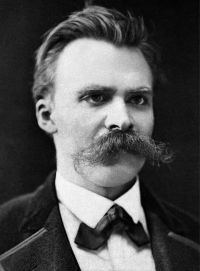
Writers such as John Cowper Powys associated it with life’s resistance to destiny, while Nietzsche emphasized its contradictory influence on human potential. From L. P. Jacks’s recognition of irrationality as the essence of life to Jung’s investigation of its origins in the unconscious, the theme underscores a conflict between human imperfection and the quest for meaning beyond strict logic.
 L. P. Jacks,
Religious Perplexities
L. P. Jacks,
Religious Perplexities