Laver

Definition and stakes

William Bingley,  Useful Knowledge: Vegetables (1825)

“ Though in a recent state it has a salt and bitterish flavour, and even when thus prepared is not always relished at first, yet by habit most persons become partial to it. The laver which is consumed in London is chiefly prepared in the west of England, and packed in pots in a state ready for the table. Some persons use laver medicinally, and it is esteemed wholesome for scrofulous habits; but it can scarcely be taken in sufficient quantity to do much good, without having too strong an effect on the bowels. ”
Source: Wikisource

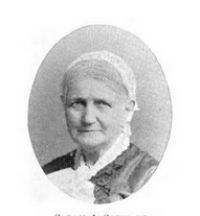
Portrait of Mrs. H. W. Beecher Mrs. H. W. Beecher,  Motherly talks with young housekeepers (1873)

“ By giving the washing into the care of the second girl, we think one may escape most of the terrors of “washing-day.”
Early rising should be one of the well-understood rules of the house, for the servants at least. As soon as up, on Monday morning, the laundress’s first work is to light the fire, if the laundry is separate from the kitchen; if not, the cook, of course, attends to that. The furnace is then to be well shaken and cleaned out, fresh coal added, and the ashes sifted and removed; which, if done every day, as it should be, is but a small item comparatively.
”
Source: Gutenberg

Portrait of William Cobbett William Cobbett,  Advice to Young Men

“ The washing daily in the morning is a great thing; cold water winter or summer, and this never left to a servant, who has not, in such a case, either the patience or the courage that is necessary for the task. When the washing is over, and the child dressed in its day-clothes, how gay and cheerful it looks! The exercise gives it appetite, and then disposes it to rest; and it sucks and sleeps and grows, the delight of all eyes, and particularly those of the parents. ”
Source: Gutenberg

Get perspective with Kwize: daily news enlightened by great literature