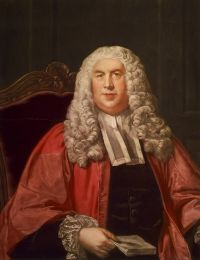
Law of property

Definition and stakes

P.-J. Proudhon What is Property? An Inquiry into the Principle of Right and of Government

If property is a natural, absolute, imprescriptible, and inalienable right, why, in all ages, has there been so much speculation as to its origin?—for this is one of its distinguishing characteristics. The origin of a natural right! Good God! who ever inquired into the origin of the rights of liberty, security, or equality? They exist by the same right that we exist; they are born with us, they live and die with us. With property it is very different, indeed. By law, property can exist without a proprietor, like a quality without a subject.
Source: Gutenberg

P.-J. Proudhon What is Property? An Inquiry into the Principle of Right and of Government

Let us admit, then, with the most careful writers, that if transient property, or the right of preference resulting from occupation, existed prior to the establishment of civil society, permanent property, as we know it to-day, is the work of civil law. It is the civil law which holds that, when once acquired, property can be lost only by the action of the proprietor, and that it exists even after the proprietor has relinquished possession of the thing, and it has fallen into the hands of a third party.
Source: Gutenberg

P.-J. Proudhon What is Property? An Inquiry into the Principle of Right and of Government

Now, the law bases property upon immemorial, unquestionable possession; that is, prescription. Labor is only the sensible sign, the physical act, by which occupation is manifested. If, then, the cultivator remains proprietor after he has ceased to labor and produce; if his possession, first conceded, then tolerated, finally becomes inalienable,—it happens by permission of the civil law, and by virtue of the principle of occupancy. So true is this, that there is not a bill of sale, not a farm lease, not an annuity, but implies it.
Source: Gutenberg

Get perspective with Kwize: daily news enlightened by great literature