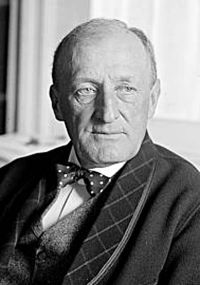
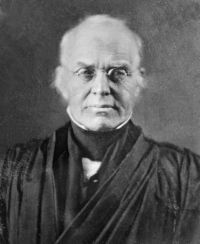
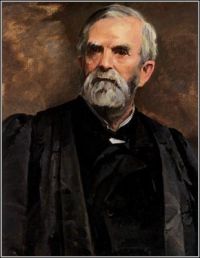
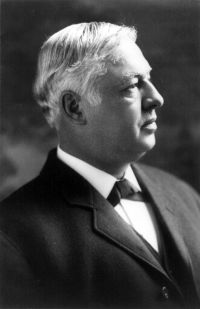
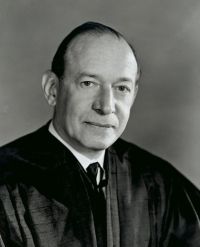
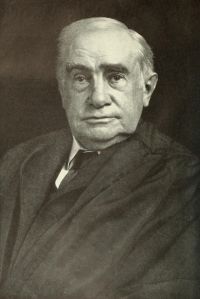
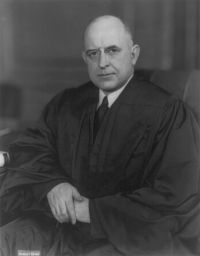
A legal remedy refers to the judicial enforcement of rights, penalties, or corrective actions by a court to address wrongs. It includes monetary compensation, equitable directives such as injunctions, and declaratory rulings, highlighting differences within common law systems. Scholars such as Christopher Columbus Langdell emphasized remedies as mechanisms for safeguarding rights, while Thurgood Marshall differentiated legal remedies from equitable ones in judicial settings.
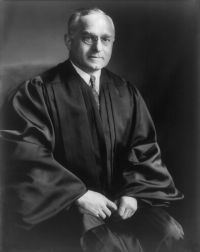
Louis Brandeis highlighted the constitutional importance of enforceable remedies, and William Weldon Billson critiqued historical procedural obstacles to redress. The principle that "every right must have a remedy," derived from Blackstone’s jurisprudence, underscores the essential role of legal remedies in maintaining justice across various legal traditions.