Mural painting

Definition and stakes

William Morris, John Henry Middleton, and Walter Crane,  1911 Encyclopædia Britannica (1911)

“ The brilliance of the mural paintings and richly coloured sculpture and mouldings was in harmony with the splendour of the oak-work—screens, stalls, and roofs—all decorated with gilding and painting, while the light, passing through stained glass, softened and helped to combine the whole into one mass of decorative effect. Colour was boldly applied everywhere, and thus the patchy effect was avoided which is so often the result of the modern timid and partial use of painted ornament. ”
Source: Wikisource

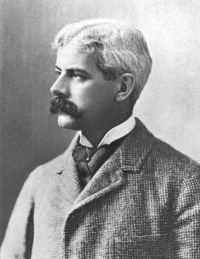
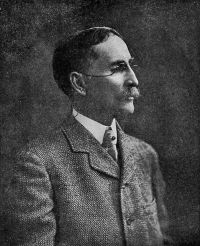
Portrait of Birge Harrison Birge Harrison,  Landscape Painting (1909)

“ But although the color-scale of a mural painting may be limited or attenuated, it must still remain true within its limits. Even the tapestry is true so far as it goes. The human eye would repudiate scarlet grass or a grass-green sky. The elements of the decoration must come from nature exactly as they do in the easel picture, the difference being that in the latter case the painter accepts and utilizes practically all that nature gives him, while the mural painter takes from nature only those elements which will best subserve his ends. ”
Source: Wikisource

Louise Lamprey,  In the Days of the Guild

“ You see, a mural painting is not like your illuminations. You can keep a book safe in a chest. But a painting on plaster—or on a wooden panel—is besieged day and night by dampness, and dryness, and dust, and smoke, changes of heat and cold,—everything. The wall may crack. The roof may take fire,—especially when pigeons and sparrows nest in the beams. The mere action of the air on any painting must be proved by years. ”
Source: Gutenberg

Get perspective with Kwize: daily news enlightened by great literature