Musical criticism

Definition and stakes

W. H. Hadow,  Studies in Modern Music, Second Series

“ There are, therefore, two questions, and only two, to which musical criticism can address itself: first, whether the feeling implied by the work is one that commands our sympathy: second, whether in expressing it the artist has assimilated all that is best in a previous tradition, and has himself advanced that tradition towards a fuller and more perfect development. ”
Source: Gutenberg

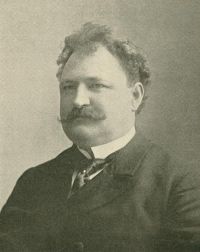
Portrait of Carl Van Vechten Carl Van Vechten,  Music after the great war, and other studies (1915)

“ When a seasoned examiner of musical criticism meets this word he understands that the critic means that the music under discussion is quite different from that of Weber and Puccini. There may be, on the other hand, very good reasons to suppose that to an unprejudiced ear, one not fed up on art-music, the new music may not be any more discordant than the hum of a factory, the roar of a city, or any of the familiar rhythmical sounds to which our ears are so accustomed that we accept them. ”
Source: Gutenberg

Portrait of Aubertine Woodward Moore Aubertine Woodward Moore,  For Every Music Lover

“ Viewing certain current tendencies the cultured musician is often moved to wonder where the soul of music has fled. The critical faculty is keenly alive to-day, but musical criticism, shorn of its better part, musical appreciation, can never lead to the insight requisite for true musical interpretation. Observation and perception, intellectual discernment and spiritual penetration are essential to gain insight into a great musical composition until its musical ideas, the very grade and texture of its style, are absolutely appropriated. ”
Source: Gutenberg

Get perspective with Kwize: daily news enlightened by great literature