Note (finance)

Definition and stakes

Various,  The Atlantic Monthly, Volume 07…

“ His first inquiry is, What is the market-value of the note offered? True, he knows that many of the notes he takes cannot be sold at all; but he also knows that the notes he is willing to take will in the aggregate be guarantied by a reservation of one, two, or three per cent., and that the note of the particular applicant for credit will tend to swell or to diminish the rate; and he cannot afford to exchange his goods for any note, except at a profit which will guaranty its payment when due,—which, in other words, will make the note equal in value to cash. ”
Source: Gutenberg

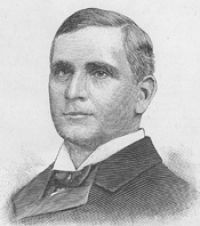
Portrait of Charles N. Fowler Charles N. Fowler,  Seventeen Talks on the Banking Question

“ Every one of the checks, notes or drafts taken in the transaction is property, just as much as the note taken for a single sale of the goods would have been property. Indeed, every one of the five notes or drafts was just as much property as the goods themselves were, and could be bought and sold just as well as the goods themselves could be bought and sold. Now it must be evident to all of you that in the production, transportation and distribution of commodities, credit performs exactly the same function as money. ”
Source: Gutenberg

A. R. Calhoun,  Business Hints for Men and Women

“ Remember the mortgage must always be regarded as security. The note represents the debt.
Often wholesalers take a note as part or even full payment for a bill of goods to a retailer.
If the wholesaler needs money, he endorses these notes and putting them in his bank draws against them, less the discount he has to pay for the accommodation.
As has been shown, an account may be transferred and sold, but a note is more convenient for that purpose.
AN ILLUSTRATION As with a check the maker of a note is known as a "drawer," the person in whose favor it is drawn is the "payee."
”
Source: Gutenberg

Get perspective with Kwize: daily news enlightened by great literature