Occupied territory

Definition and stakes

George Francis Robert Henderson and Thomas Barclay,  1911 Encyclopædia Britannica (1911)

“ Territory is considered as occupied when it is actually under the authority of the hostile army. The authority having passed into the hands of the occupant, the latter takes all possible steps to re-establish public order and safety. Compulsion of the population of occupied territory to Occupation of hostile territory. take part in military operations against their own country, or even give information respecting the army of the other belligerent and pressure to take the oath to the hostile power are prohibited. ”
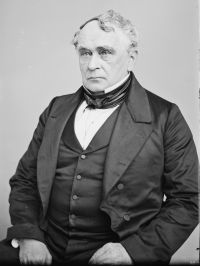
Source: Wikisource

L. Oppenheim,  International Law. A Treatise. Volume 1…

“ On the other hand, the Power which now exercises sovereignty over the occupied territory is hereafter responsible for all events of international importance on the territory. Such Power has in especial to keep up a certain order among the native tribes in order to restrain them from acts of violence against neighbouring territories, and has eventually to punish them for such acts. ”
Source: Gutenberg

L. Oppenheim,  International Law. A Treatise. Volume 2…

“ Modern International and Municipal Law have adopted the term for the purpose of indicating the fact that territory, individuals, and property, after having come in time of war under the sway of the enemy, return either during the war or with the end of the war under the sway of their original Sovereign. This can occur in different ways. An occupied territory can voluntarily be evacuated by the enemy and then at once be reoccupied by the owner. ”
Source: Gutenberg

Get perspective with Kwize: daily news enlightened by great literature