Oilseed

Definition and stakes

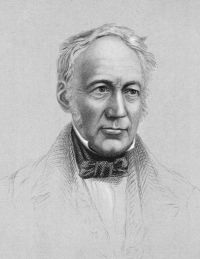
Portrait of Roscoe Wilfred Thatcher Roscoe Wilfred Thatcher,  The Chemistry of Plant Life

“ Fats and oils are widely distributed in plants. They occur very commonly in the reproductive organs, both spores and seeds, as reserve food material. In fungi, oils are often found in the spores, but sometimes also in sclerotia, mycelia, or filaments. For example, the sclerotia of ergot have been found to contain as much as 60 per cent of oil. In higher plants, many seeds contain high percentages of oil, so as to make them commercial sources for edible or lubricating oils, such as olive oil, rape-seed oil, cottonseed oil, castor oil, corn oil, sunflower-seed oil, etc., etc. ”

Source: Gutenberg

Margaret Warner Morley,  Flowers and their friends (1897)

“ Oil is another common substance in plants, and it is made from the materials of starch which, as we know, are carbon, hydrogen, and oxygen; cotton-seed oil, olive oil, and castor oil we are all familiar with.
All nuts contain a great deal of oil, and the skin of a fresh-picked orange is so full of it that it runs down our fingers when we cut the orange.
All the things in a plant—starch, sugar, oils, spices, wood, bark—everything is made by the wonderful protoplasm in the cells.
”
Source: Gutenberg

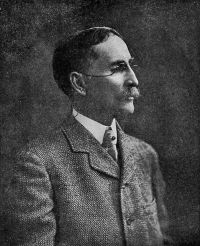
Portrait of Mayne Reid Mayne Reid,  Ran Away to Sea

“ Oil can also be extracted from the kernel, and this last, though more difficult to be obtained, is of a superior quality than that taken from the pulp of the rind.
Nothing in the vegetable world can be more beautiful than a full-grown specimen of the oil-palm, with its cluster of ripe fruit, their bright-yellow colour contrasting finely with the deep-green of its long curling fronds, that seem intended, as it were, to protect the rich bunches from the too powerful rays of a tropic sun.
”
Source: Gutenberg

Get perspective with Kwize: daily news enlightened by great literature