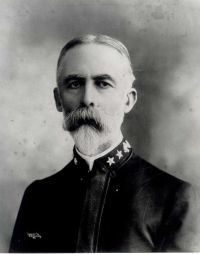
Ordnance officer

Definition and stakes

Thomas Wilhelm,  A Military Dictionary and Gazetteer

“ The department consists of 1 brigadier-general, 3 colonels, 4 lieutenant-colonels, 10 majors, 20 captains, 16 first lieutenants, and 350 enlisted men. It is the duty of the senior officer of the ordnance department to direct the inspection and proving of all pieces of ordnance, shot, shells, small-arms, and equipments procured for the use of the armies of the United States; and to direct the construction of all cannon and carriages, and every implement and apparatus for ordnance, and all ammunition-wagons, traveling-forges, and artificers’ wagons ”
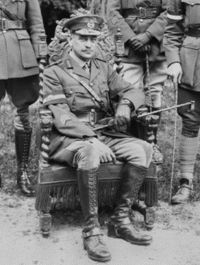
Source: Gutenberg

John B. Wilson,  Maneuver and Firepower: The Evolution of Divisions and Separate Brigades (1998)

“ To coordinate all the activities within an army corps, supporting staffs grew at each level—corps, division, brigade, and regiment. Eventually an adjutant, commissaries of muster and subsistence, and a chief of ordnance comprised the divisional staff. The staff for the brigade included an adjutant, quartermaster, commissary of subsistence, and, when the brigade served as an independent command, an ordnance officer. In addition, general officers continued to have aides as their personal staff. ”
Source: Wikisource

Franklin Matthews,  With the Battle Fleet

“ The ordnance officer has charge of the guns, ammunition, the work of target practice, the making of targets and everything that pertains to shooting. The Paymaster has charge of all money matters, payment of wages, the purchase of supplies, providing clothing and meals for the crew. He is the purser of the ship. The medical officer besides caring for the sick is responsible for sanitary conditions.
In addition to these commissioned officers there are Lieutenants and Ensigns who are watch officers
”
Source: Gutenberg

Get perspective with Kwize: daily news enlightened by great literature