Pattern (clothing)

Definition and stakes

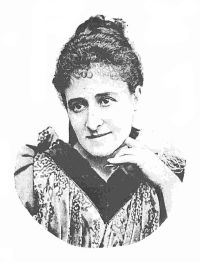
Kate Heintz Watson,  Textiles and Clothing

“ As paper patterns soon wear out, after a waist and skirt have been perfectly fitted, it is a good plan to cut an exact pattern of cambric, both skirt and waist, tracing seams and notching the parts. This will enable the home dressmaker to cut and make all ordinary dresses with little trouble and with but one trying on. It is always well to try on once, as materials differ in texture and a slight change may be necessary. ”
Source: Gutenberg

Kate Heintz Watson,  Textiles and Clothing

“ On garment fabrics the ornamentation should be flat, without shadow or relief. The pattern must enhance and not mar the figure. If flowers, foliage, or other natural objects are used for the designs, they should be conventionalized—not direct copies of nature. A figured textile requires more careful planning than plain material. It may be beautiful when used properly, but it will appear hideous if distorted in the making. A conventional fleur-de-lis pattern, or a long dash which appears and disappears when used in long, [214] graceful folds, adds to the apparent height. ”
Source: Gutenberg

Kate Heintz Watson,  Textiles and Clothing

“ In addition to ornament added to garment, the ornament in the textile itself must be considered.
Appropriate Designs
Textiles may be beautiful in weave, but spoiled by the design. Quite as important as intrinsic beauty is appropriateness of pattern. How often do we see woven on our curtains, carpets, and garment materials fans, bunches of roses tied with ribbons—bows with long, fluttering ends—landscapes, snow scenes, etc. Nothing is beautiful out of its place.
”
Source: Gutenberg

Get perspective with Kwize: daily news enlightened by great literature