Pleading (law)

Definition and stakes

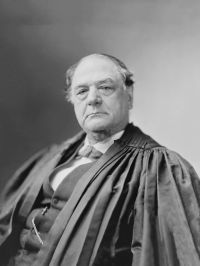
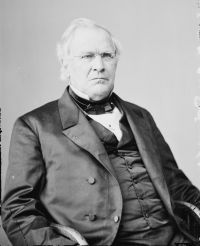
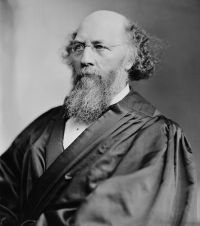
Portrait of Stephen Johnson Field Stephen Johnson Field,  Bean v. Beckwith — Opinion of the Court

“ It is an old rule of pleading, which, in the modern progress of simplifying pleadings, has not lost its virtue, that whenever one justifies in a special plea an act which in itself constitutes at common law a wrong, upon the process, order, or authority of another, he must set forth substantially and in a traversable form the process, order, or authority relied upon, and that no mere averment of its legal effect, without other statement, will answer. ”
Source: Wikisource

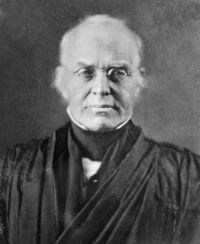
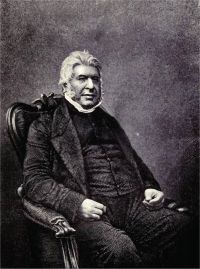
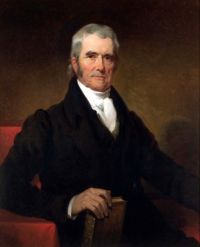
Henry Baldwin,  Livingston's Executrix v. Story…

“ Its exhibition to an equity pleader in Lincoln's Inn, who would read our constitution, the judiciary act, the rules and decisions of this court, would not fail to cause him to admire it as an improvement in the science of pleading. For myself, I am utterly unable to comprehend, that the denial of an averment of a fact in a bill, can be deemed a plea of any kind, unless it is the general issue, or a special issue on that fact; to be a plea in abatement, or in bar, every rule of pleading in law or equity requires that it should set up some matter not in the bill. ”
Source: Wikisource

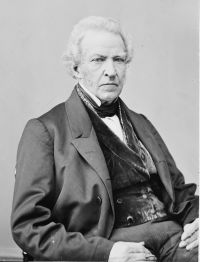
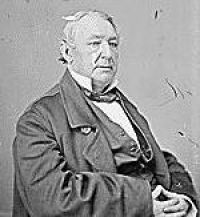
Portrait of John Catron John Catron,  Harpending v. Reformed Protestant Dutch Church of the City of New York…

“ The forms of pleading in courts of equity are not so precisely fixed as at common law, but there are certain precise rules, founded in reason, which must and ought to govern both. There is no better criterion by which to judge of the sufficiency of a plea, than that which is furnished by the inquiry, will its decision finally and necessarily decide the case? If a party pleads a bar of forty years, when the statute makes twenty or six years a bar, it results necessarily that the decision upon the fact against the party pleading it, is immaterial. ”
Source: Wikisource

Get perspective with Kwize: daily news enlightened by great literature