A police commissioner functions as the chief administrator of a police force, managing operations, policy execution, and public safety across different jurisdictions. This position differs globally, ranging from politically appointed officials in Canada to civilian oversight boards in Alberta, illustrating varied models of governance. Authors such as Theodore Roosevelt emphasized the importance of impartial leadership, while James Hugh Richardson portrayed commissioners as admired reformers.
Gustavus Myers documented historical changes in police integrity under figures like Commissioner Cropsey, and Willard Grosvenor Bleyer highlighted the conflict between public accountability and perceptions of authoritarianism. These viewpoints demonstrate the commissioner’s dual role as both a practical upholder of the law and a representative of institutional change, balancing power with the requirements of democratic supervision.
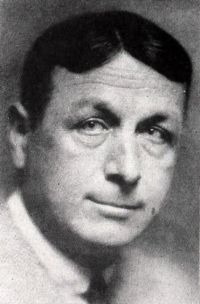 Arthur Cheney Train,
Courts and Criminals
Arthur Cheney Train,
Courts and Criminals