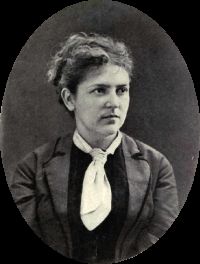
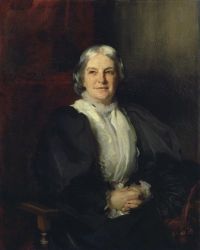
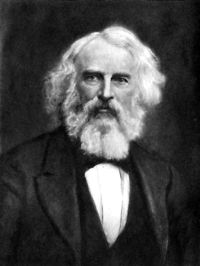
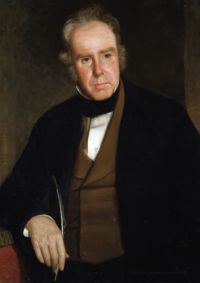
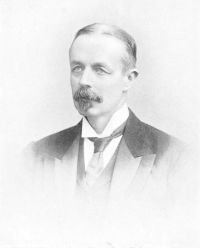
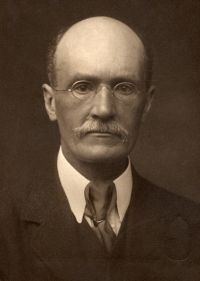
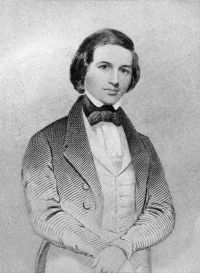
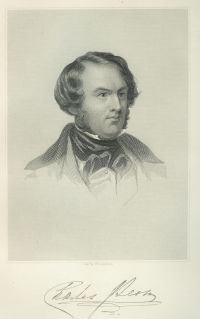
Poor relief, in English and British history, refers to governmental and ecclesiastical initiatives aimed at addressing poverty, formalized through laws such as the Poor Relief Act of 1601 and later restructured by the 1834 Poor Law Amendment Act. Authors like Octavia Hill and Mary Ellen Richmond examined its ethical and social implications, critiquing the unforeseen effects of charitable aid, while Ambrose Bierce cast doubt on the effectiveness of such efforts.
Victor Hugo and Daniel Defoe emphasized the human toll of poverty, contrasting it with the shortcomings of official assistance. These differing viewpoints highlight a conflict between empathy and institutional change, illustrating how poor relief developed as both a practical solution and a moral challenge.