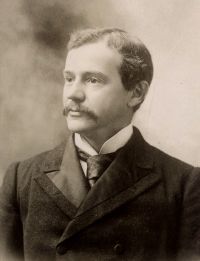
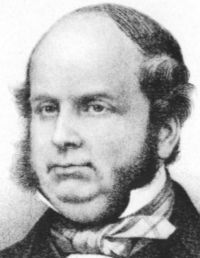
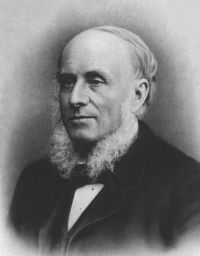
The concept of a practitioner refers to an individual who applies specialized knowledge in a practical context, particularly within fields such as medicine. Authors like Anthony Trollope portrayed the practitioner as a community figure, underscoring their involvement in local life, while Oliver Wendell Holmes considered the impact of personal mentorship in developing skilled physicians.
Worthington Hooker emphasized the importance of combining empirical science with professional experience, contrasting strict dogma with flexible practice. These viewpoints together highlight the practitioner’s dual role as both a technical expert and a responsive provider of care, balancing scientific precision with humanistic connection. The theme thus reveals a conflict between tradition and progress, illustrating how practitioners manage shifting standards of knowledge and ethical duty.
 Anthony Trollope,
Doctor Thorne
(1876)
Anthony Trollope,
Doctor Thorne
(1876)