Probable cause, a legal standard in U.S. law, requires sufficient evidence to justify arrests or search warrants, grounded in the Fourth Amendment’s protection against unreasonable searches. This principle balances governmental power with individual freedoms, demanding “reasonable trustworthy information” to support a prudent person’s belief in unlawful conduct. Legal scholars such as William O.
Douglas underscored its constitutional importance, while John Stuart Mill analyzed cause-and-effect reasoning, and Clarence Darrow emphasized the intricacies of criminal intent. Across criminology and jurisprudence, writers have scrutinized probable cause as a practical yet debated benchmark, influencing procedures that protect civil liberties while permitting lawful inquiries.
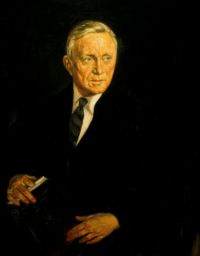 William O. Douglas,
Terry v. Ohio — Dissent
William O. Douglas,
Terry v. Ohio — Dissent